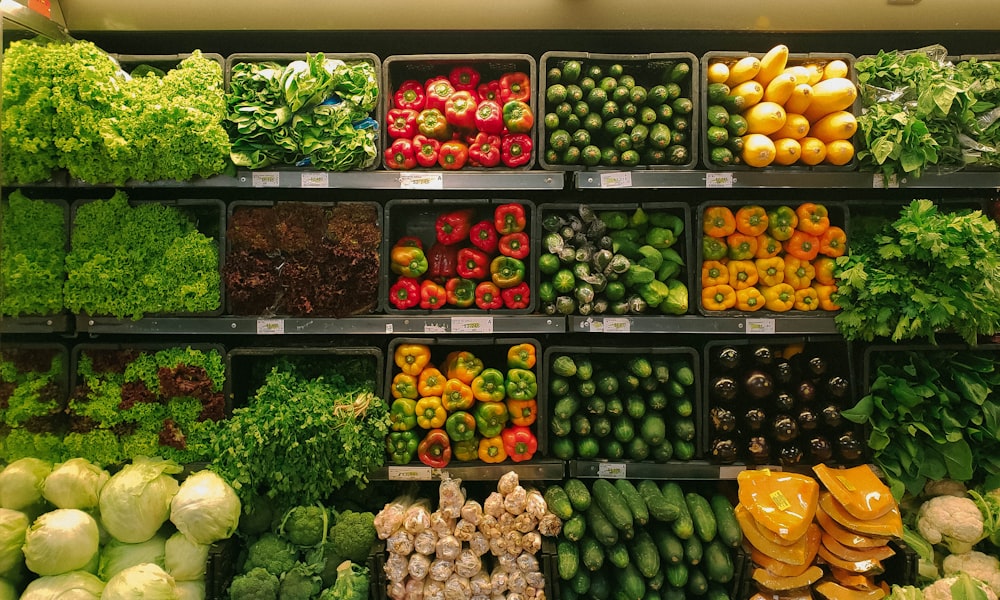
The regional products worth buying in Funchal are Madeira wine (a fortified DOP wine), Banana da Madeira (the island's small, sweet banana), Bolo do Caco (a flatbread served with garlic butter) and Poncha (a rum-based drink). All four are made or grown on Madeira, and all four are sold within a short walk of Funchal's cruise terminal in the Zona Velha (Old Town).
What are the must-buy regional products in Funchal?
Four products define Madeira's food and drink: Madeira wine, Banana da Madeira, Bolo do Caco and Poncha. Madeira wine and Banana da Madeira carry official EU quality status, which means their name is tied by law to the island. The other two are traditional Madeiran staples you will find in every local bakery and bar.
Madeira wine is the island's flagship export and the easiest gift to take home, because it keeps for decades once bottled. Banana da Madeira is the everyday fruit locals eat daily; it is smaller and sweeter than a supermarket banana grown elsewhere. Bolo do Caco and Poncha are less about souvenirs and more about tasting the island: the first is a warm flatbread, the second a drink mixed to order in Old Town bars along R. Dom Carlos I.
Each product has its own guide below, and a dedicated post where noted. If you are ashore for a single cruise day, skip to where to shop near the cruise terminal.
What Madeira wine should I buy?
For a first bottle, choose by sweetness: Sercial is dry, Verdelho medium-dry, Boal medium-sweet and Malvasia (Malmsey) sweet. Madeira wine is a DOP (Protected Designation of Origin) fortified wine, regulated by IVBAM. A "Reserve" bottle is aged a minimum of five years, so it travels and keeps well.
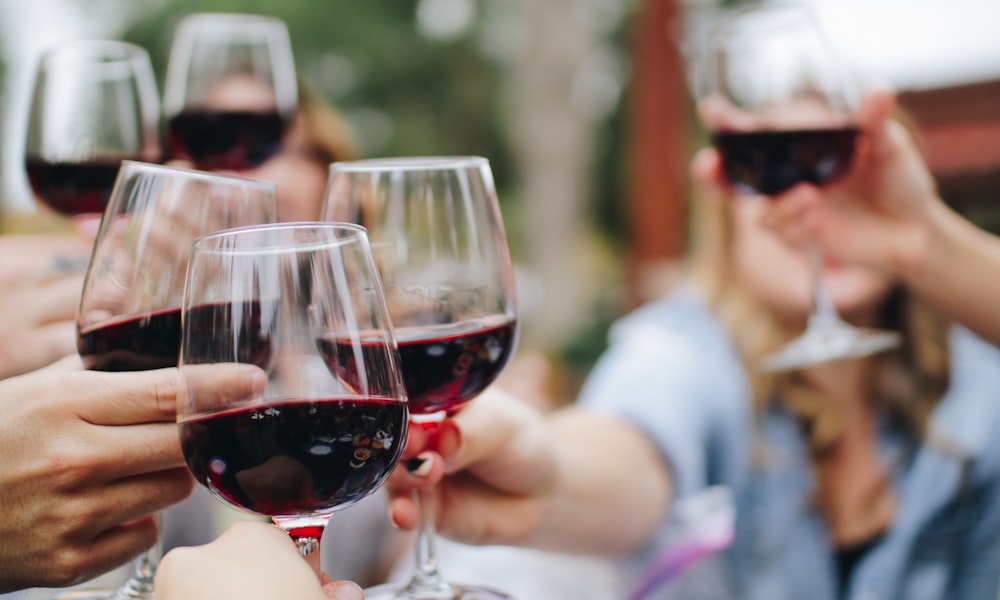
Madeira wine is produced from noble grape varieties, Sercial, Verdelho, Boal (Bual) and Malvasia, plus Tinta Negra, which accounts for the large majority of production. Age statements are set by the DOP rules: Reserve means at least five years in cask, Special Reserve at least ten, and Extra Reserve over fifteen years. The Madeira wine industry is managed by IVBAM, the Instituto do Vinho, do Bordado e do Artesanato da Madeira.
The Madeira wine industry is governed by European Union legislation and managed by IVBAM, the Madeira Wine, Embroidery and Handicraft Institute. IVBAM (Instituto do Vinho, do Bordado e do Artesanato da Madeira), 2026
Because Madeira wine is fortified and heat-aged, an opened bottle lasts for weeks and an unopened one for years, which is exactly why it is the practical souvenir. For grape-by-grape advice and the rules on carrying wine home in your luggage, read the full guide: Madeira wine: what to buy and how to get it home.
What is Banana da Madeira?
Banana da Madeira is the small, sweet banana grown on Madeira's warm south coast, recognised as a Protected Geographical Indication (PGI). It is shorter than the Cavendish bananas sold across most of Europe, with denser flesh and a more intense, sweeter flavour. Locals eat it daily, and it appears in regional cakes and desserts.
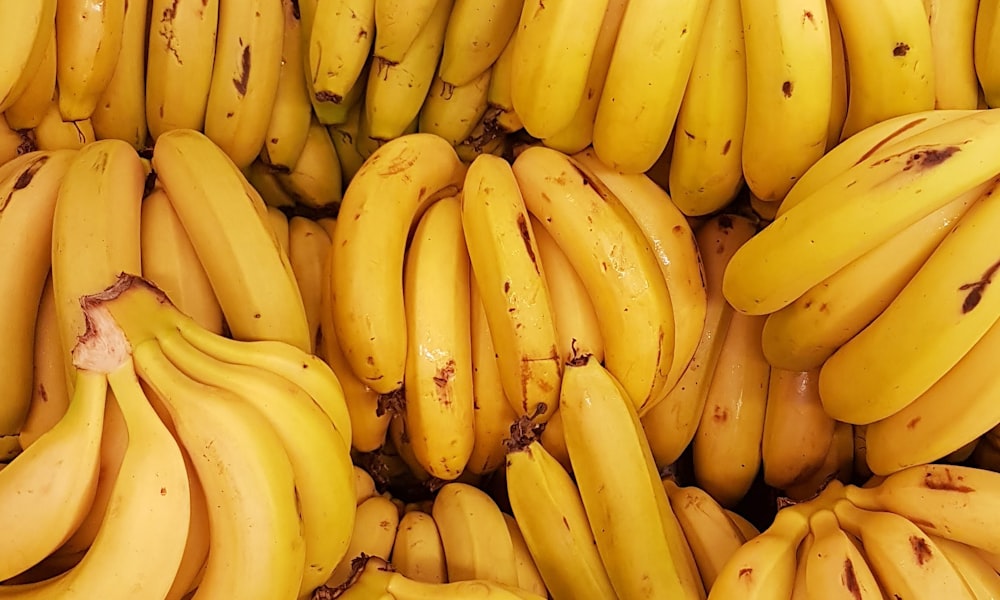
The banana was introduced to Madeira in the 16th century and adapted to the island's microclimate over the following centuries, becoming one of its most important crops. Today Banana da Madeira is recognised as a PGI product, a status that ties the name to the island's specific growing conditions. Visit Madeira, the island's official tourism board, lists it among the region's signature foods.
Source: Visit Madeira, Traditional Madeira Food; product quality schemes via DGADR (Produtos Tradicionais Portugueses).
What is Bolo do Caco?
Bolo do Caco is a traditional Madeiran flatbread, round and slightly chewy, traditionally cooked on a hot stone slab (the "caco"). It is most often served warm and split, spread with garlic-and-parsley butter. Despite the name (bolo means "cake"), it is a bread, and it is a staple at markets, festivals and restaurants across Funchal.
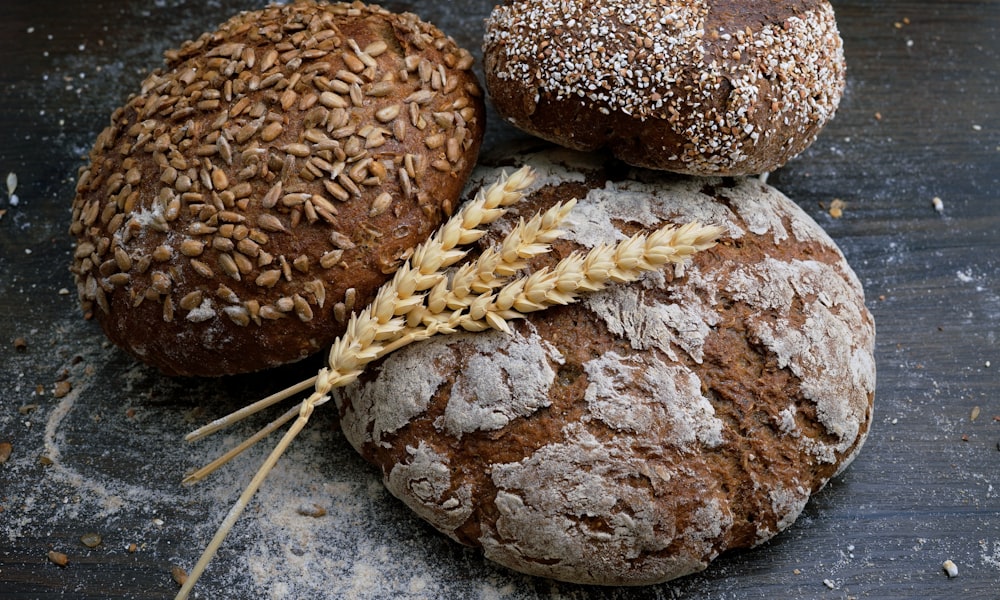
You will find Bolo do Caco sold fresh in bakeries and as a side with grilled dishes like espetada. It is inexpensive, made daily, and one of the simplest ways to taste something genuinely local within minutes of stepping off the ship.
What is Poncha?
Poncha is Madeira's traditional drink, made from aguardente de cana (sugar-cane spirit), honey, sugar and citrus juice, classically lemon, with a passion-fruit version now common. It is mixed to order in Old Town bars and stirred with a wooden tool called a caramelo. To take the flavour home, buy the sugar-cane spirit and honey rather than a pre-mixed bottle.
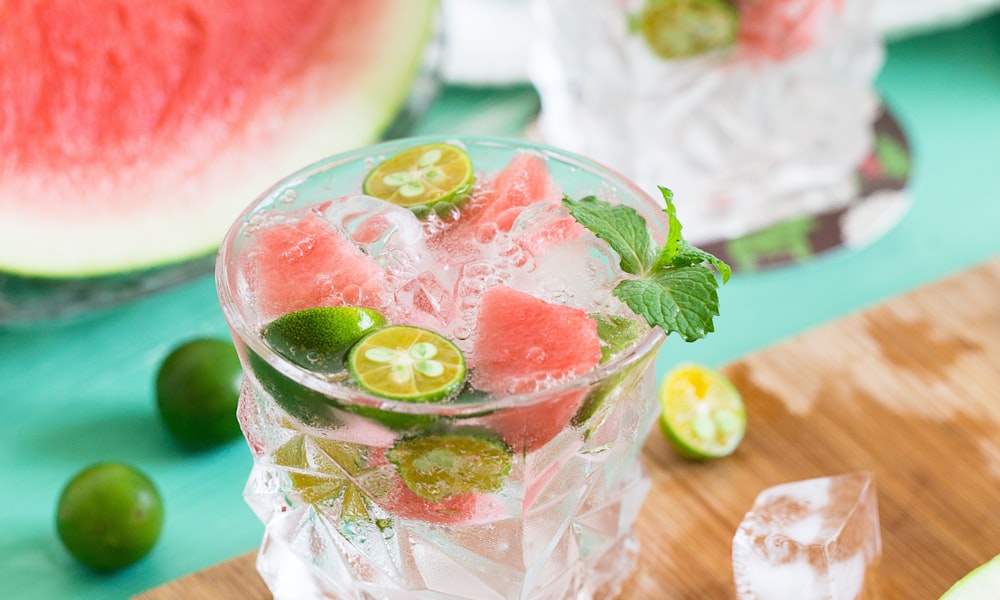
Poncha is a drink you taste in Funchal rather than a bottle you pack, though bottled versions exist. If you want to recreate it at home, the ingredients, aguardente de cana and Madeiran honey, are the parts worth buying.
Where should I shop near the cruise terminal?
Funchal's cruise terminal sits beside the Old Town (Zona Velha). Within a short walk you have two options: a local supermarket for wine, bananas and everyday products at everyday prices, and the Mercado dos Lavradores, the historic farmers' market, for atmosphere and fresh produce. A supermarket is usually cheaper for bottled Madeira wine than tourist-facing stalls.
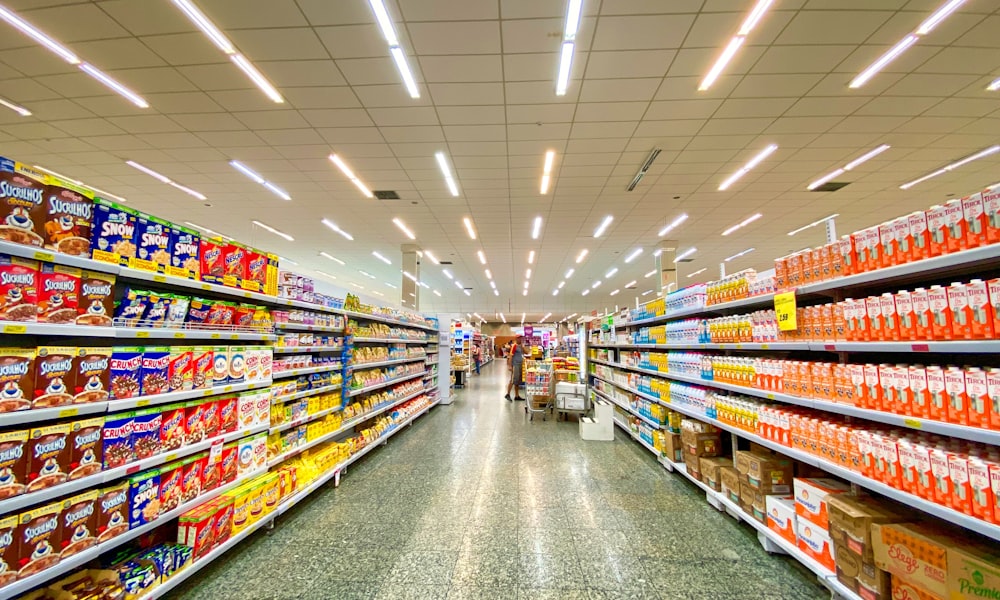
Mendonça Supermarkets is on R. Dom Carlos I in the Zona Velha, minutes from the terminal, and stocks Madeira wine, Banana da Madeira, Bolo do Caco and everyday essentials. For a walk through the whole quarter, including the market, the painted doors and the cable car, see our Funchal Old Town walking guide.
FAQ
What is the single best souvenir to bring home from Funchal?
A bottle of Madeira wine. It is a DOP fortified wine that keeps for years unopened and weeks once opened, so it survives travel better than fresh or perishable items. Choose the sweetness level (Sercial dry to Malvasia sweet) that suits the person receiving it.
Can I buy these products on a cruise day with limited time?
Yes. Madeira wine, Banana da Madeira and Bolo do Caco are all sold within a short walk of the cruise terminal in Funchal's Old Town. A supermarket on R. Dom Carlos I lets you buy all three in one stop.
Is a supermarket cheaper than the market or tourist shops?
For bottled Madeira wine and everyday products, a local supermarket is usually cheaper than tourist-facing stalls. The Mercado dos Lavradores is worth visiting for fresh produce and atmosphere, but compare prices before buying wine there.
Short on time ashore?
Message us on WhatsApp and we'll have your Madeira wine, bananas or Bolo do Caco ready to collect near the cruise terminal.
Message us on WhatsAppSources: IVBAM, Instituto do Vinho, do Bordado e do Artesanato da Madeira (2026); Visit Madeira, official tourism board of Madeira; DGADR, Produtos Tradicionais Portugueses (Portuguese quality schemes). Madeira wine is a DOP; Banana da Madeira is recognised as a PGI.